Multi-Family & Investors
How do I prepare a two to four family home for sale?
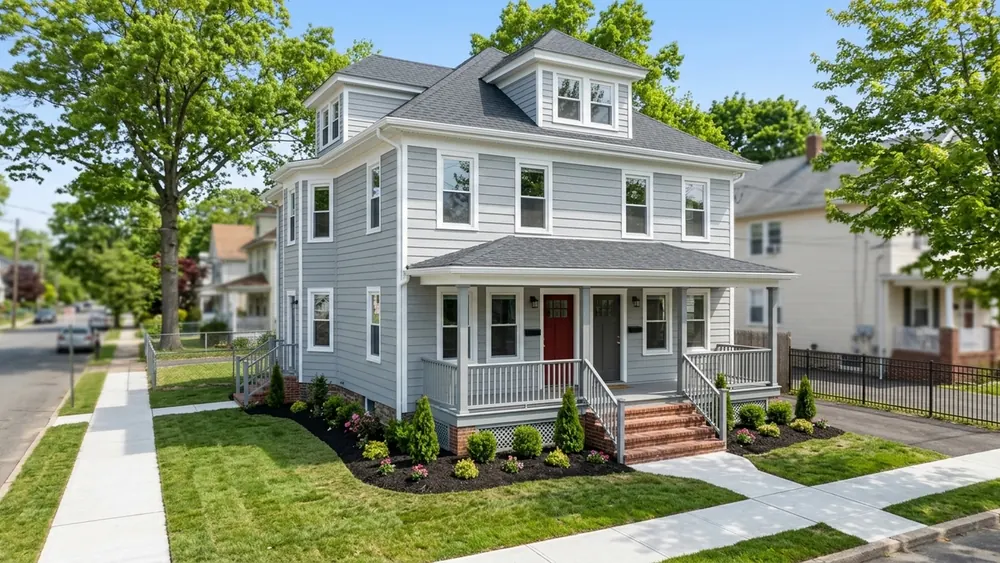
Gather every lease, a summary of rents and deposits, repair records and permits for each unit, ask the town early what the sale requires, and plan showings with your tenants. Buyers ask about all of this early.
On this page
- What preparing a multi-family sale really means
- Start with a clear picture of each unit
- Questions to ask the town early
- Working with tenants during the sale
- Repairs and records buyers ask about
- Who handles each part of the preparation
- How this differs from selling a single-family house
- Your next step before you list
What preparing a multi-family sale really means
Preparing a two to four family home for sale starts with paperwork, not paint. Gather copies of every lease, a written summary of rents, lease end dates and security deposits for each unit, and records of recent repairs and any permits. Ask the town early what is required when the home changes hands. Then take care of the repairs buyers are most likely to ask about, and plan how showings will work with your tenants.
This matters because buyers of a multi-family home are buying the units and the arrangements inside them. Their first questions are usually about who lives there, on what terms and in what condition each unit is. When the answers are ready, the conversation moves forward. When they are missing, buyers wait, guess or move on to another home.
This article walks through the preparation in order: the documents, the town, the tenants, the repairs and the people who answer each question. It applies whether the home is a two-family in Belleville or a larger building elsewhere in Essex County. It does not give legal advice. Questions about leases, notices and tenant rights belong to a New Jersey attorney.
Start with a clear picture of each unit
Before anything else, write a simple summary of each unit. Note who lives there, what the lease says, when it ends, the current rent, the deposit held and which utilities the tenant pays. If a unit is empty, say so and describe its condition. Do this for every unit, even the one you live in. A buyer comparing several homes will notice when one seller has this ready.
Keep the summary factual and match it to the leases. If something is unclear, such as an old arrangement that was never written down, take it to your attorney before you list rather than explaining it to buyers later. The goal is a picture of the building that holds up when a buyer’s attorney and lender read the documents behind it.
I ask sellers to build the unit summary before we talk about price. Buyers will ask for it in the first conversation, and having it ready shows the home is in order.
Questions to ask the town early
Each town sets its own requirements for what happens when a home changes hands or a unit is rented. Some require an inspection or a certificate before closing or before a new tenant moves in. Requirements can differ between neighboring towns, even within the same county, so do not assume what applied to a friend’s sale applies to yours.
Call or visit the municipal office early and ask what is required for a sale of your type of home. Ask what the process is, what is checked and how scheduling works. Finding out early helps you plan repairs before the home is on the market, instead of rushing them during the deal. Write down who you spoke with, when, and what they said.
Only the municipality can confirm its current requirements, so treat any general advice, including this article, as a list of questions rather than answers. If something the town tells you raises a question about the contract or your tenants, bring it to your attorney. Keeping the town’s answers in one place makes it easier to fit them into the plan for the sale.
Working with tenants during the sale
Selling with tenants in place means planning with them, not around them. Buyers, inspectors and appraisers will need access to each unit. Think about how showings will be scheduled, how much notice tenants will get and how to keep disruption reasonable. Tenants who understand what is happening tend to make showings easier, so a clear, respectful explanation early is worth the time.
Notice requirements and tenant rights are legal questions in New Jersey. Before you set a showing schedule, ask your attorney what notice is required and what you can and cannot ask of tenants. Do not make promises to tenants about what a buyer will do after the sale, because you will not control that. Keep your communication practical, written where possible and focused on access and timing.
Repairs and records buyers ask about
Buyers of a multi-family home look closely at the systems that serve every unit. You do not need to renovate, but taking care of obvious issues and having records ready helps. Start with the items buyers and their inspectors most often raise, and gather the paperwork that shows what has been done. If records are missing, note what you remember, such as roughly when the work happened and who did it.
- Records of recent work on heating, electrical, plumbing and the roof
- Any permits connected to past work, and whether they were closed out
- Recent utility costs for the building, broken out by unit where possible
- A list of open repair requests from tenants and your plan for each one
A licensed home inspector hired by the buyer will look at each unit, so expect questions. Some sellers choose to have their own inspection before listing to find problems early. Whether that makes sense for your home is your decision. Disclosure requirements vary, so ask your attorney what you need to tell buyers about the condition of the property.
Who handles each part of the preparation
A multi-family sale has several moving parts, and each one has a person responsible for it. Sorting your questions by who answers them keeps you from relying on guesses. Some tasks involve more than one person, and that is normal. This table shows the most common preparation tasks and where each answer comes from, so you know who to call first.
| Task | Why it matters | Who to ask |
|---|---|---|
| Gather leases and a unit summary | Buyers and their lenders ask for it first | You, with your attorney reviewing |
| Confirm town requirements for the sale | Requirements differ from one town to the next | The municipal office for your town |
| Plan notice and showings with tenants | Tenant rights are a legal question | A New Jersey attorney |
| Decide on repairs before listing | Buyers and inspectors look at every unit | A licensed home inspector and contractors you choose |
| Understand pricing and how the sale works | Sets expectations before the home goes on the market | Your real estate agent, in English or Spanish |
Mariel handles the real estate side: talking through your timing, the condition of the home and what similar homes nearby have sold for, and explaining each step plainly in English or Spanish. The legal, municipal and inspection questions stay with the people responsible for them. Keeping those roles clear is one of the simplest ways to avoid surprises.
How this differs from selling a single-family house
Selling a single-family house is mostly about the house. Selling a two to four family home adds the tenants, the leases and the town’s rules for rented units. Buyers may include people who plan to live in one unit and people who will not live there at all, and each group asks different questions. Your preparation should answer both sets, with the same documents serving each.
The timeline can also feel different, because more people need access and more documents need review. That is not a reason to worry, but it is a reason to start early. Sellers in Essex, Bergen and Hudson County face the same basic steps: get the paperwork in order, check with the town, plan with tenants and decide on repairs before the listing goes live.
Your next step before you list
Before a first conversation about selling, gather what you already have: the leases, a rough summary of each unit, any repair records and permits, and notes on anything you are unsure about. Write down your questions for the town and your attorney. You do not need every answer yet. Knowing what is missing is useful on its own, because it shows where to start.
If you are thinking about selling a two to four family home and want to talk through the preparation, bring what you have, even if it is incomplete. Mariel can go through it with you in English or Spanish, help you see what buyers will ask first and plan the order of the work, at a pace that fits you and your tenants.
This article is general information about buying, selling and renting homes in Essex, Bergen and Hudson Counties, New Jersey. It is not legal, tax, lending, insurance or inspection advice and does not predict prices or promise results. Confirm occupancy, inspection and lease rules with the municipality and a New Jersey attorney, financing with a lender, and condo rules with the current association documents. Mariel Duran, Keller Williams City Views Realty.

Written by