Multi-Family & Investors
How do you buy a fix-and-flip or buy-and-hold property in North Jersey?
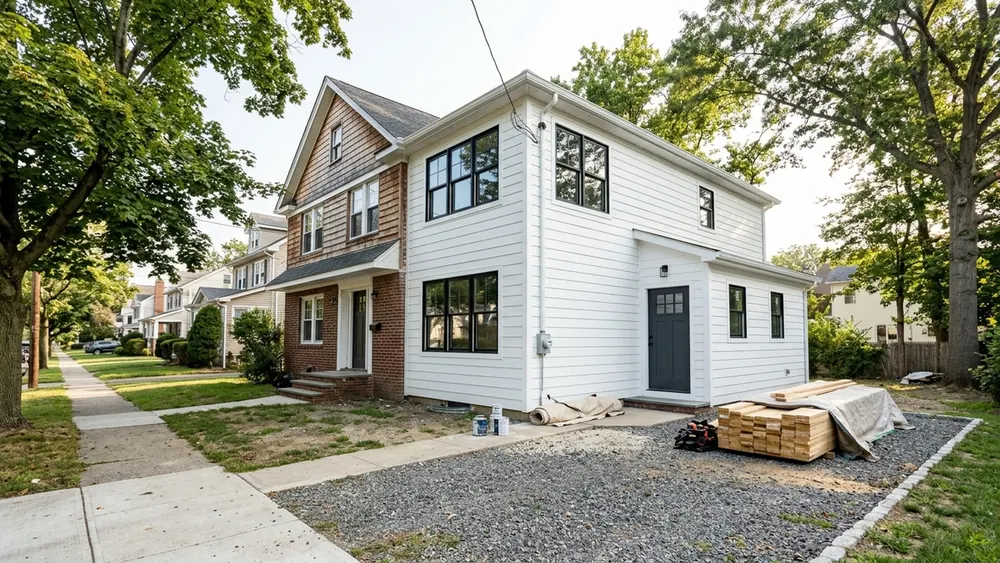
Start by choosing your strategy, fix and flip or buy and hold, then line up financing, check the town’s rules and the property’s condition, and get each answer from the right professional before you commit to a purchase.
On this page
The short answer for North Jersey investors
You buy a fix-and-flip or buy-and-hold property in North Jersey the same way you buy any home, with a few extra questions added at every step. First you decide which strategy you are following, because the two lead to different properties. Then you talk to a lender about how an investment purchase is financed, search with a clear list of what you need, check the condition and the town’s rules for each property, and make an offer only when those answers are in hand.
The order matters because investment purchases punish guesswork. A buyer who falls for a property before checking permits, zoning or the state of the systems can end up with a project much larger than planned. A buyer who knows the questions ahead of time can compare properties fairly and walk away early from the ones that do not fit. The goal is not speed. The goal is to understand what you are buying, what work it needs, and who has to approve that work.
Mariel has spent several years working with investors who fix and flip or buy and hold, on both the buying and selling side, and can walk you through the real estate steps in English or Spanish. This article covers the questions to ask, who answers each one, and the assumptions that cause trouble. It does not promise any result, and it does not replace the advice of the professionals named below.
Choosing between fix and flip and buy and hold
A fix-and-flip plan means buying a property that needs work, renovating it, and selling it. A buy-and-hold plan means keeping the property, often a multi-family home, and renting one or more units over time. Both start with a purchase, but they ask different things of you. Before you look at a single listing, be honest about how much time, attention and patience you can give the project. These are the trade-offs most investors think through first.
- How much renovation work you are willing to manage, and for how long
- Whether you want to be a landlord, with the duties that come with it
- How much money you can set aside for repairs that were not planned
- Whether the property should work for you even if your plan changes
Questions to ask before you make an offer
Once a specific property catches your interest, the questions get concrete. Bring the same list to every showing so you can compare properties on equal terms. Many of these answers come from the municipality or from professionals, not from the listing, so write down who told you what. A property that looks simple in photos can raise several of these questions at once, and that is useful to know before you are under contract.
- What permits would the renovation you have in mind require from the town
- How is the property zoned, and does that zoning allow the use you plan
- What does the town require before a unit can be occupied, sold or rented
- What condition are the roof, heating, electrical and plumbing systems in
- Are there current tenants, and what do their leases say about a sale
Who confirms each part of the plan
No one person answers every question in an investment purchase. Mariel can explain the real estate side in plain words: how the search works, what to request from the seller, how offers and attorney review fit together, and what to look for in a listing. That covers a lot of ground, but it does not cover permits, construction costs, legal terms or taxes. Those belong to other people, and knowing which one to call keeps the process steady.
The municipality answers questions about zoning, permits, inspections required by the town and certificates of occupancy. A licensed contractor can look at the renovation you have in mind and tell you what it involves. A licensed home inspector looks at the condition of the property before you are committed. Ask each of them directly, and ask the same questions for every property you are considering, so that the answers can be compared later.
A lender answers the money questions, including how an investment purchase is financed and what documents are needed. A New Jersey real estate attorney answers questions about the contract, leases, tenant rights and what happens to current tenants after a sale. A tax professional answers questions about how buying, renovating, selling or renting a property affects your taxes. Do not assume any of these answers carry over from one property to the next.
Assumptions that cause surprises
Many investment problems start with an assumption rather than with the property. One common assumption is that a renovation can begin right after closing. Depending on the work, the town may require permits and inspections, and that is a question for the municipality before you buy. Another is that a contractor’s first impression is the final scope. Walls, wiring and plumbing can hold surprises, so ask a licensed contractor what could change once the work starts.
A third assumption is that rules in one town match the town next door. Requirements can differ between Nutley and Belleville, or anywhere across Essex County and Bergen County, so ask each town each time. A fourth is that tenants in a multi-family home will leave or stay on your schedule. Leases and New Jersey law decide that, and it is a question for a New Jersey real estate attorney before you sign anything.
I ask investors to price the questions before they price the property. Find out what the town, the contractor and the lender will say first, and the numbers will make more sense.
How the plan shapes the property you choose
Your strategy should narrow the search before any town name does. Someone planning to hold a multi-family home for years may care most about the condition of the systems, separate utilities and how the units are laid out. Someone planning a renovation and sale may care most about what work is allowed, how long permits could take, and what the property needs to be ready for a buyer. Write your plan down, then let it filter the listings you tour.
It also helps to be clear about what nobody can tell you. No one can promise what a property will sell for after a renovation, what it will rent for, or how values will move. Plan as if the project could take longer and cost more than you expect, and ask a lender and a tax professional how that would affect you. A plan that still works under cautious assumptions is a plan you can explain to anyone.
What to gather before a first conversation
Before you talk to anyone about an investment property, write a few things down. Which strategy are you leaning toward, fix and flip or buy and hold? What kind of property are you open to: a single-family home, a two-family, or a larger multi-family? Which parts of North Jersey are you willing to search, across Essex County, Bergen County or Hudson County? How involved do you want to be in the renovation or in managing tenants?
Then gather the basics for a lender, such as income documents, bank statements and a list of current debts, and confirm the full list with the lender you choose, because each one asks for its own. If you already own investment property, bring what you know about it. Make a short list of contractors and attorneys you might call, so that you can move from a showing to a real answer without delay.
You do not need a finished plan to start. Bring a listing you keep returning to, or just the question of which strategy fits you, and Mariel can talk it through with you in English or en español. The aim is simple: understand the property, the rules and the work before you commit. Whatever you decide, you will decide it with the right questions answered by the right people.
This article is general information about buying, selling and renting homes in Essex, Bergen and Hudson Counties, New Jersey. It is not legal, tax, lending, insurance or inspection advice and does not predict prices or promise results. Confirm occupancy, inspection and lease rules with the municipality and a New Jersey attorney, financing with a lender, and condo rules with the current association documents. Mariel Duran, Keller Williams City Views Realty.

Written by