Buyers & Sellers
What should you know before buying a luxury single-family home in Teaneck or Bergen County?
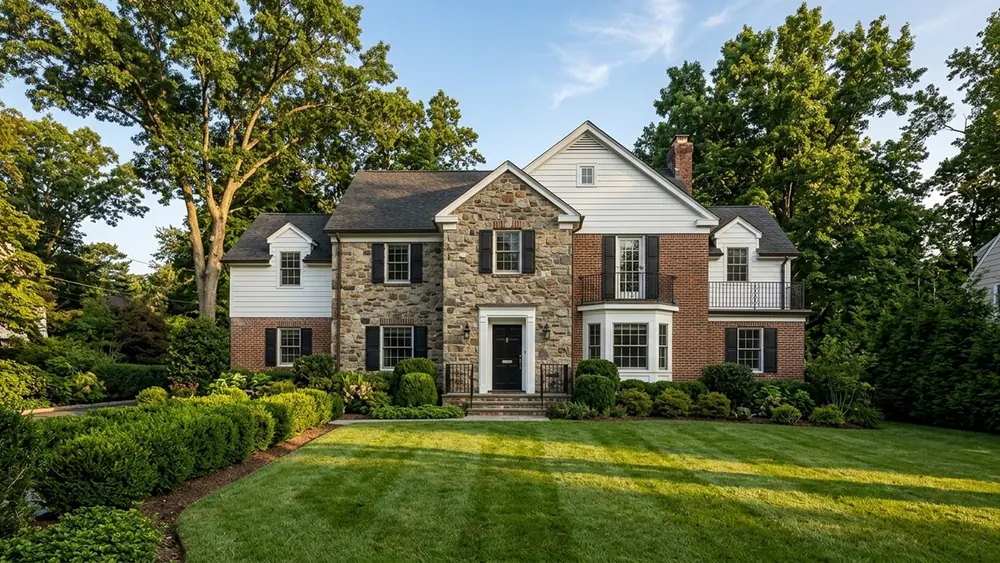
Know your own priorities first, then judge each home on its layout, condition, lot, systems and privacy, and confirm financing, inspections, taxes and town rules with the right professional before you make an offer.
On this page
The short answer before you start touring
Before buying a luxury single-family home in Teaneck or elsewhere in Bergen County, know exactly what you need the home to do for you. A higher price does not settle the questions that matter. You still need to judge the layout, the condition of the house, the lot, the major systems and the privacy it offers, and you still need financing, an inspection and attorney review lined up. Luxury describes the home and your priorities, not a shortcut past careful checking.
This matters because larger and more detailed homes carry more to evaluate. There may be more rooms, more equipment, more outdoor space and more past renovations to understand. A buyer who tours without a clear list can be drawn in by finishes and miss what will shape daily life, such as how the rooms connect or how old the heating and cooling systems are. A clear list keeps each showing focused and makes homes easier to compare.
Mariel has over 20 years of real estate experience and works with buyers and sellers of single-family homes in English or Spanish. This article covers what to define before you search, what to look at in each home, who confirms each answer, and the assumptions that cause surprises. It does not rank towns or describe who lives anywhere. It is about the home and what you want from it.
Defining what luxury means for you
Luxury means different things to different buyers, so start by naming your own version of it. For one household it is space to work from home in a separate room. For another it is a large kitchen, a main floor bedroom, or a lot with room to spend time outside. Writing your priorities down before you tour helps you see past staging and photos. These are the questions many buyers answer first.
- Which rooms you use every day, and how they should connect to each other
- How much lot and outdoor space you want to use and to maintain
- How much privacy you want from the street and from nearby homes
- Which commute or travel needs the location of the home has to meet
What to look at in each home
Once a specific home catches your attention, look past the finishes. A home can look finished and still have systems near the end of their life, or additions that were never fully approved. Bring the same questions to every showing so that you can compare homes on the same terms. Some answers come from the seller’s disclosures, some from an inspection, and some from the town, so note where each answer came from.
- What condition are the roof, windows, heating, cooling and electrical systems in
- Were additions, finished basements or major renovations done with permits from the town
- How does the lot drain, and are there signs of water in the lower level
- What features need ongoing care, such as pools, generators or irrigation systems
- Does the floor plan match the way you actually live from day to day
Who confirms each part of the purchase
No single person answers every question about a home like this. Mariel can explain the real estate side in plain words, in English or Spanish: how the search works, what to request from the seller, how the offer and attorney review fit together, and what to look for in a listing. That covers a lot, but it does not cover inspections, financing, legal terms or taxes. Those belong to other professionals, and knowing which one to call keeps things calm.
A lender answers the financing questions, including how a larger loan would be set up and what documents are needed. Loan options vary from one buyer to the next, so ask early and do not assume. A licensed home inspector looks at the condition of the house and its systems, and may suggest a closer look by a contractor for items like the roof, a pool or the heating system.
The municipality answers questions about permits for past work, property taxes and any rules on future changes you may want to make, such as an addition or a fence. A New Jersey real estate attorney answers questions about the contract and attorney review. An insurance agent can explain how coverage works for the home and its features. A tax professional can explain how the purchase affects your own taxes.
Assumptions that lead to surprises
Many surprises come from assumptions rather than from the house. One is that a higher price means fewer problems. Larger homes can have more systems, more past work and more places for wear to hide, so the inspection matters as much as it does for any home. Another is that recent renovations were done with every permit the town requires. That is a question for the municipality, and it is worth asking before you are committed.
A third assumption is that rules and costs in one town match the town next door. Property taxes, permit requirements and other rules can differ between Teaneck, Tenafly, Ridgewood or Fort Lee, so ask each town about the specific property. A fourth is that you can change the home however you like after closing. Additions, fences and outdoor projects may need approval, so ask the town before you count on them.
I ask buyers to describe an ordinary Tuesday in the new home before we tour. If the house fits that day well, the finishes are the easy part to decide.
How your priorities narrow the search
Your list should narrow the search before any town name does. If privacy and lot size come first, some homes will fall away quickly. If a main floor bedroom or a home office matters most, the floor plan will filter more listings than the location. Compare a few homes side by side using the same questions, and let what you learn adjust the list. It is normal for priorities to shift once you see real homes.
It also helps to be clear about what no one can tell you. No one can promise what a home will be worth later, and this article does not compare towns or describe who lives in them. What you can control is how well the home fits your needs today and over the years you plan to own it. A home that fits your actual routine is easier to live in, whatever happens around it.
What to gather before a first conversation
Before you talk to anyone about a single-family home in Bergen County, write a few things down. What are the three or four features you will not give up? What would you happily trade away? Which commute or travel needs does the location have to meet? How soon do you need to move, and is there a home you need to sell first? Honest answers here shape the search more than any listing.
Then gather the basics for a lender conversation, such as income documents, bank statements and a list of current debts, and confirm the full list with the lender you choose, because each one asks for its own. If you are also selling a home, bring what you know about it, including any recent work. Ask the lender how buying and selling at the same time would be handled. Write down any questions about inspections, insurance or property taxes as well, so each one reaches the right person early.
You do not need a finished plan to start. Bring a listing you keep returning to, or just your list of priorities, and Mariel can talk it through with you in English or en español. The goal is simple: understand the home, the process and the questions before you commit. Whatever you decide, you will decide it with clear answers from the right people.
This article is general information about buying, selling and renting homes in Essex, Bergen and Hudson Counties, New Jersey. It is not legal, tax, lending, insurance or inspection advice and does not predict prices or promise results. Confirm occupancy, inspection and lease rules with the municipality and a New Jersey attorney, financing with a lender, and condo rules with the current association documents. Mariel Duran, Keller Williams City Views Realty.

Written by