Multi-Family & Investors
What should I ask about current tenants when buying a two-family in Essex County?
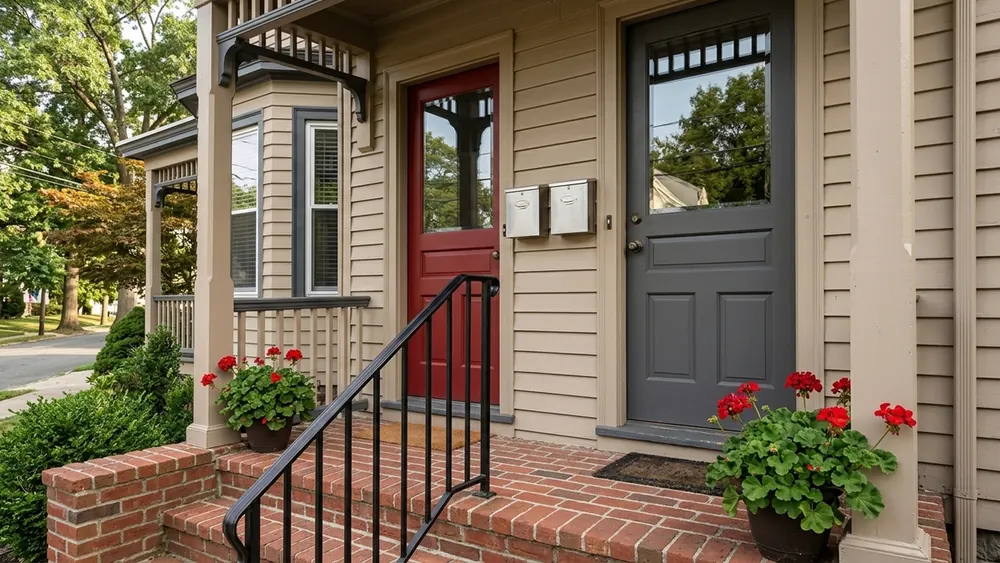
Ask who lives in each unit, what each lease says, when it ends, what deposits are held and how they transfer at closing. Get copies early, and take every legal question to a New Jersey attorney.
On this page
The direct answer about tenants in place
When you buy a two-family in Essex County with tenants already living there, start with four questions. Who lives in each unit? What do the current leases say, including the rent and the end date? What security deposits are being held? How will those deposits be handled at closing? Ask for copies of the leases early, and plan your offer around what they say, not around what you hope they say.
These questions matter because the tenants are part of what you are buying. In many cases a lease stays in place after a sale, so the person in the other unit may still be there after you get the keys, on the terms already agreed. If you plan to live in one of the units, or change anything about how the building is run, you need to know that before you sign, not after.
This article explains what to ask, in what order, and who can answer each part. It does not give legal advice about leases or tenant rights. Those are legal questions in New Jersey, and the right person to answer them is a New Jersey attorney. What follows is a way to organize your questions so nothing important is missed. A lender and the town each answer their own part as well.
Why the existing leases come first
The leases are the most important papers in a two-family sale with tenants. They tell you who has the right to live in each unit, for how long, at what rent and under what terms. A short conversation with the seller is not a substitute. Ask to see the written leases, and if a unit has no written lease, ask what the arrangement is and take that answer to your attorney.
Read the leases with a few questions in mind. When does each one end, and what happens after that? Who pays which utilities? Are there any extra agreements, such as parking, storage or use of the yard? Is anything promised to the tenant that you would be expected to keep? You do not need to interpret the legal effect yourself. You need to know what is written, so you can ask about it.
Also ask the seller for a written summary of rents, lease end dates and security deposits for each unit. A summary does not replace the leases, but it makes comparing them easier and shows quickly whether anything is missing. If the summary and the leases do not match, that is a question to raise before you go further, with your attorney involved.
Questions about the people living there
Beyond the paperwork, it helps to understand how the building works day to day. Ask how long each tenant has lived there, how repair requests are usually made and how quickly they are handled. Ask whether there are any open requests or disagreements right now. These are practical questions about running the building, and the answers help you picture what owning it will feel like.
Keep these questions about the arrangement, never about who the tenants are as people. Fair housing rules apply, and a buyer’s decision should rest on the lease terms, the condition of the units and the budget, not on any personal detail about a tenant. If a question feels personal rather than practical, leave it out and bring the conversation back to the home and the terms.
It also helps to think about access. How will inspections and showings be scheduled while the tenants live there? Who gives notice, and how much notice is needed? The seller usually coordinates this before closing, but notice requirements are a legal question. Ask your attorney, and be patient with the schedule, because tenants have their own lives and routines.
Documents to request during the deal
Once your offer is accepted and the contract goes to attorney review, your attorney can help decide which documents to request. As a starting point, these are the papers many buyers of a two-family with tenants ask about. Each one answers a specific question, and having them early keeps the deal from slowing down later.
- A copy of every current lease, including any written changes or added agreements
- A written summary of rents, lease end dates and security deposits for each unit
- Records of recent repairs and any open repair requests from either unit
- Any paperwork the town issued about occupancy or rental of each unit
Your attorney will tell you which of these matter most for your purchase and whether anything else should be requested. A licensed home inspector looks at the condition of each unit separately. The town can tell you what it requires when a home changes hands or a unit is rented. Write down who gave each answer and when.
Matching each question to the right person
A two-family purchase with tenants touches several professionals, and each one answers a different kind of question. Asking the right person saves time and avoids relying on guesses. Some questions go to more than one person, and that is normal. This table sorts the most common tenant questions by who can actually answer them, so you know where to start.
| Question | Why it matters | Who to ask |
|---|---|---|
| What do the current leases say | Sets who stays, for how long and at what rent | The seller for copies, then a New Jersey attorney |
| How do deposits transfer at closing | A detail that is easy to overlook at closing | A New Jersey attorney and the title company |
| Can I move into one of the units | Depends on the leases and New Jersey law | A New Jersey attorney, before you sign |
| What does the town require for rented units | Requirements can differ between neighboring towns | The municipal office for that town |
| How does a rented unit affect my loan | Financing a two-family can work differently | Your lender, early in the process |
Mariel can help you gather these questions, explain each step in plain words and keep track of what is still open, in English or Spanish. The answers themselves come from the people in the right column. That division keeps you on solid ground, because each answer comes from the person responsible for it, and you can go back to that person if something changes.
When you plan to live in one unit
Many buyers of a two-family in Essex County plan to live in one unit and keep the other rented. If both units are rented today, the key question is whether either unit will be available to you, and when. That depends on the leases and on New Jersey law. Ask your attorney what is required before you sign anything, and do not plan a move date until you have that answer.
Living next to a tenant also changes daily life. You will share a building, possibly a yard or a driveway, and you will be the person they call about repairs. Think about whether that suits you. Some owners like being close to the building they own. Others find it harder than expected. There is no wrong answer, but it is easier to decide before you buy than after.
Your question list before the first showing
Before you tour a two-family with tenants, write down a short list you can bring to every showing. The answers will not all come at once, but having the questions ready keeps each visit useful and makes it easier to compare one home with another. Bring a notebook or keep notes on your phone, and fill them in after each visit while the details are fresh. A good list covers four things.
- How many units are rented now, and when does each lease end
- What deposits are held, and how the seller plans to handle them
- Whether you need either unit for yourself, and by roughly when
- Which questions still need the town, a lender or an attorney
If you are looking at a two-family in Essex County and are not sure what to ask about the people already living there, bring the listing or just the question. Mariel can walk through it with you in English or Spanish, so you understand what you are buying, including the leases that come with it, before you make an offer.
This article is general information about buying, selling and renting homes in Essex, Bergen and Hudson Counties, New Jersey. It is not legal, tax, lending, insurance or inspection advice and does not predict prices or promise results. Confirm occupancy, inspection and lease rules with the municipality and a New Jersey attorney, financing with a lender, and condo rules with the current association documents. Mariel Duran, Keller Williams City Views Realty.

Written by